


Thoughts on US Soccer’s Integration of USYS
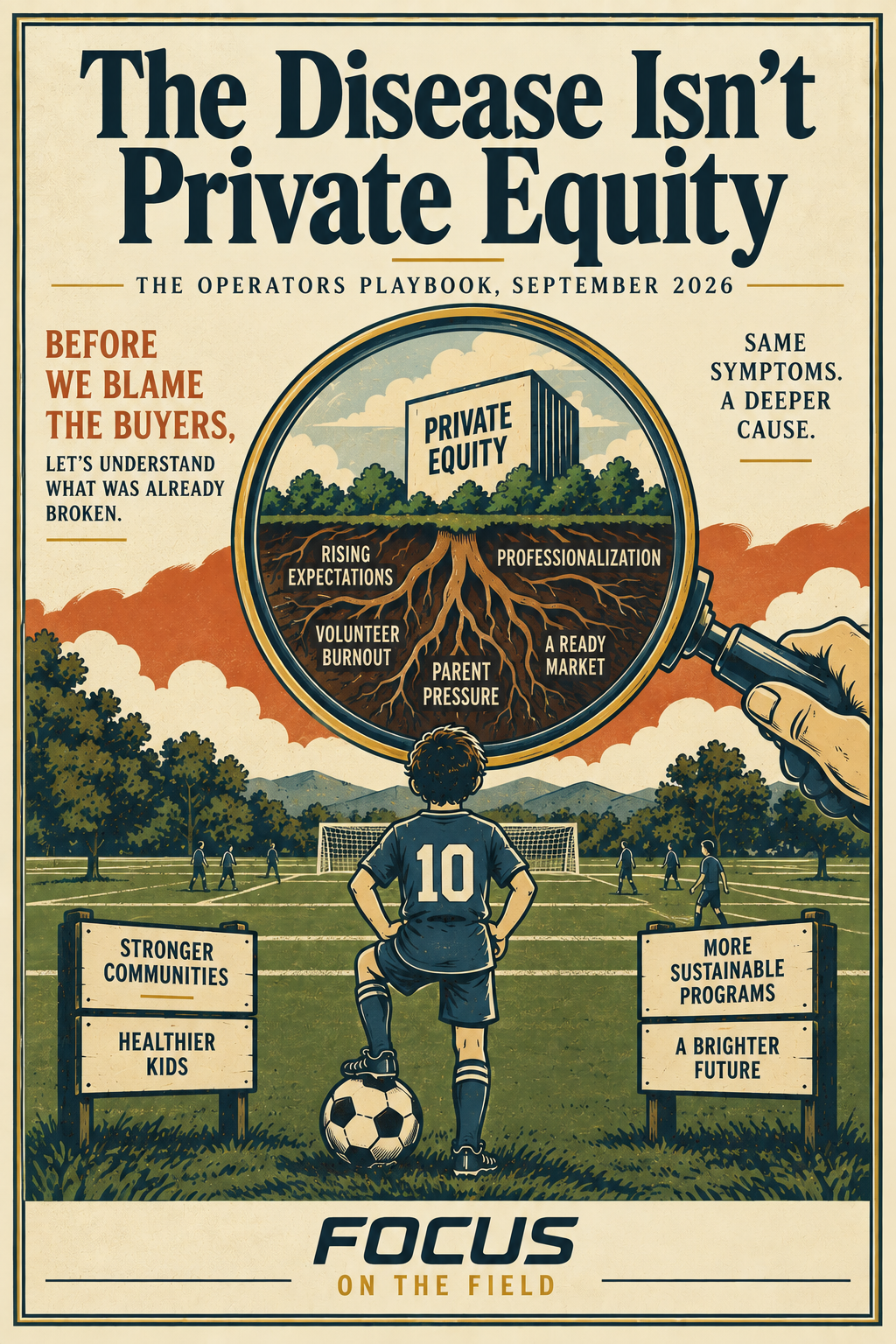
It's a symptom, but not the root cause
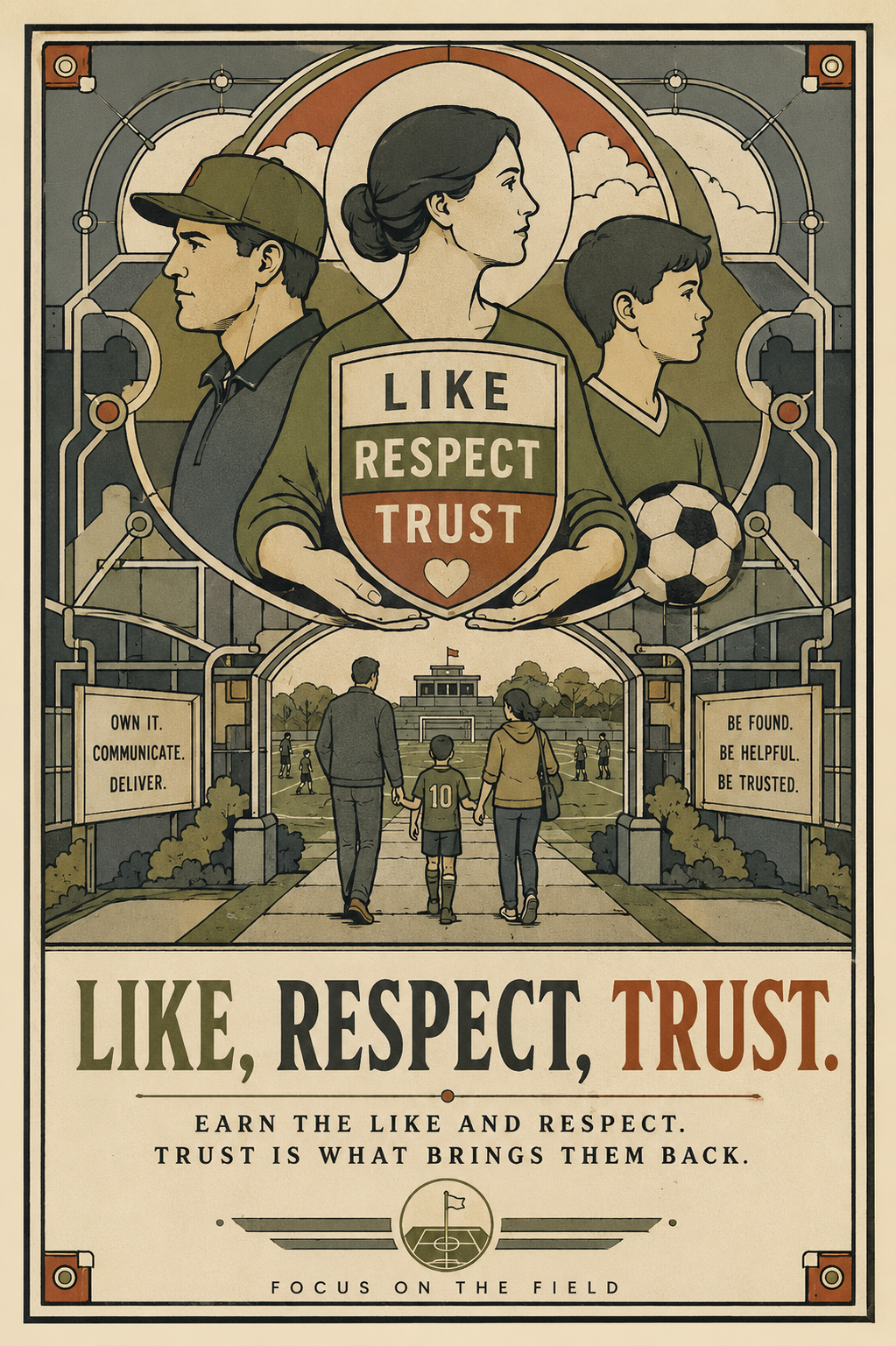
Earn the Like and Respect. Trust is what brings them back.
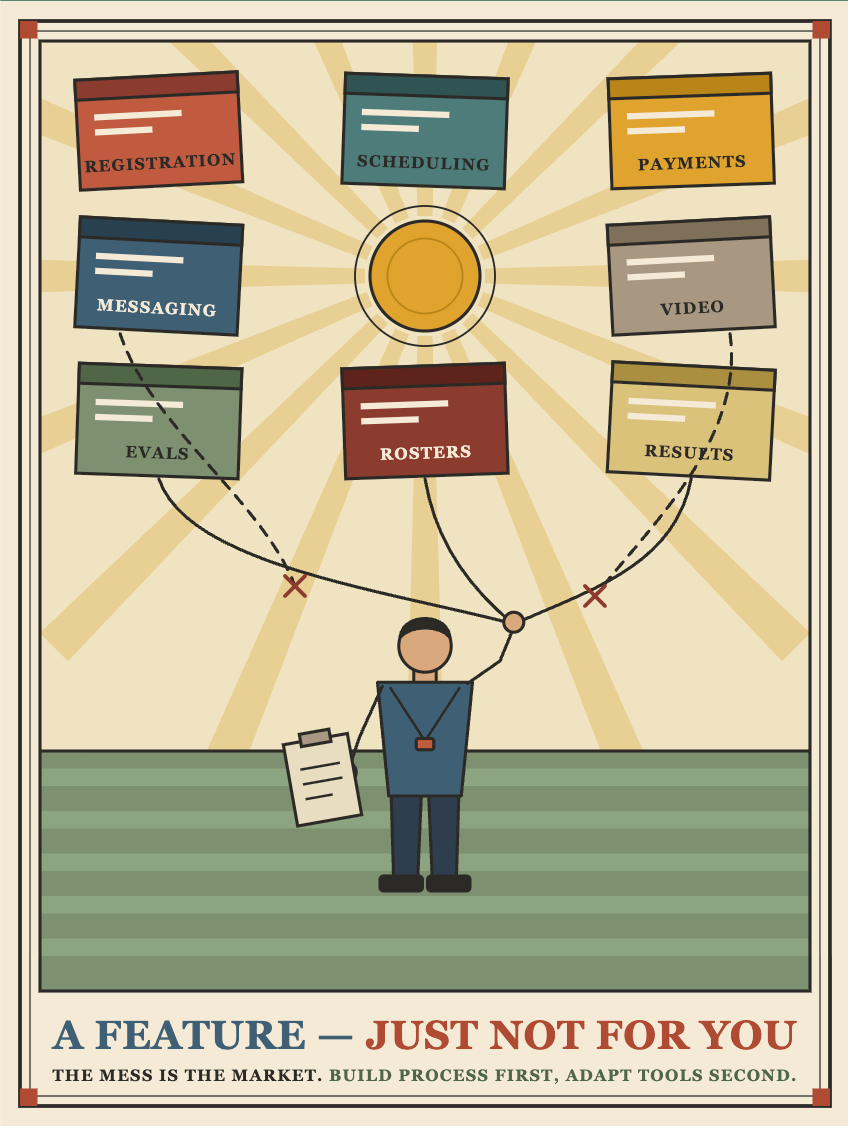
Why the flood of youth sports tools isn't slowing down, and what that means for the people running programs.
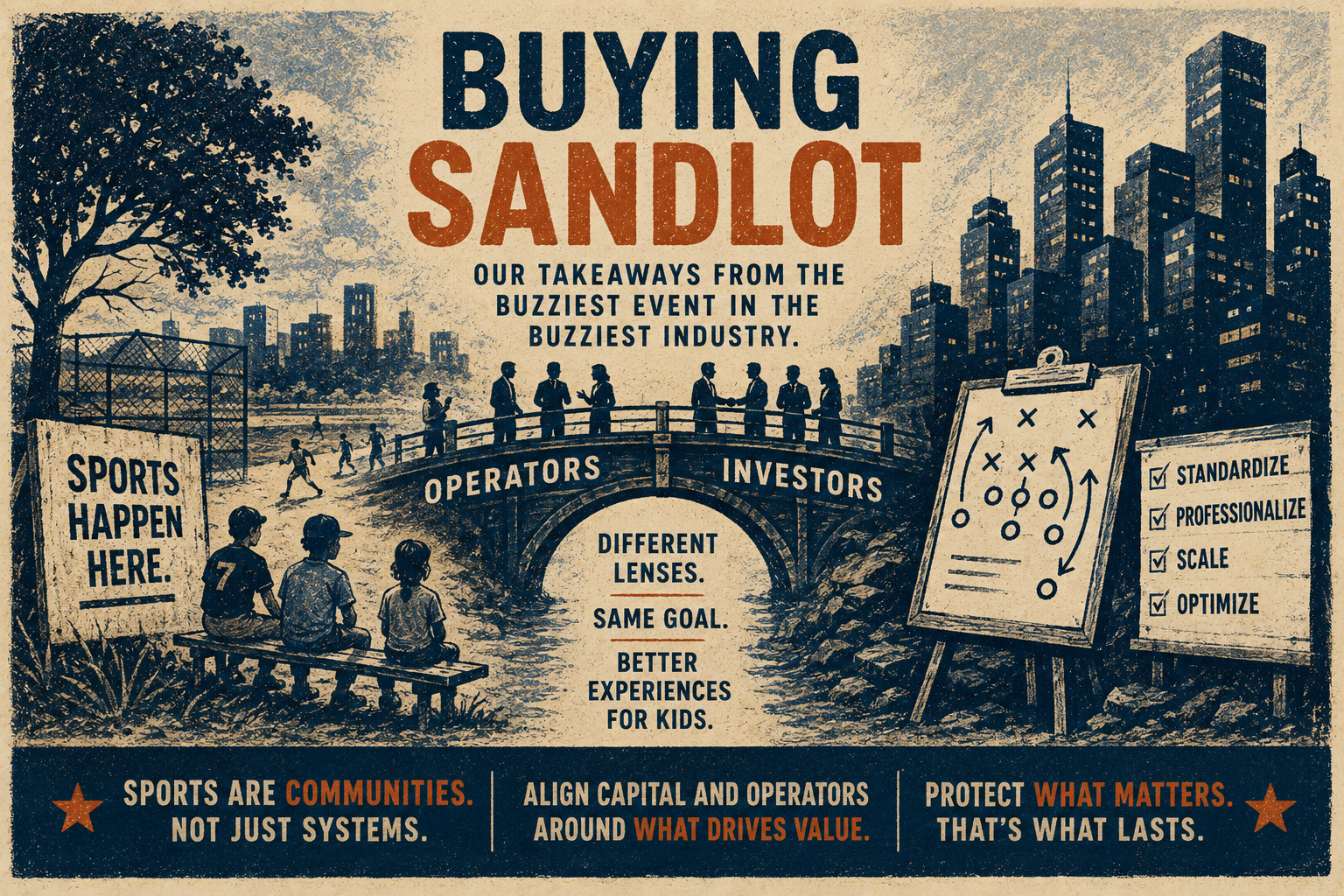
Buying Sandlot - impressions and conflict from the buzziest event in the buzziest industry.
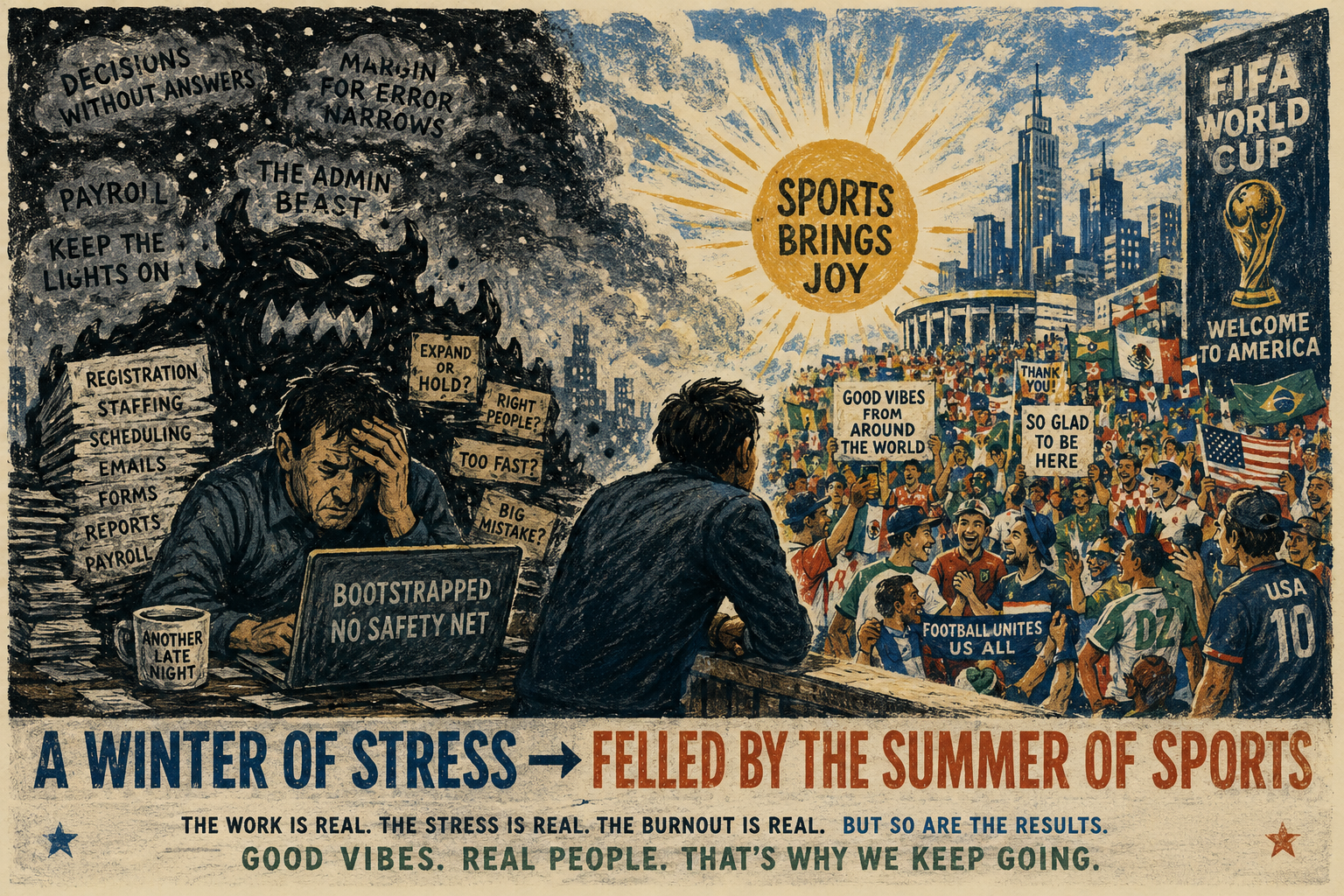
Sometimes, sports gives you a jolt. It gives you a reminder to feel things.

Sports are Schedules, simple as that.

Seeing the Dodgers Foundation up close was a powerful reminder of why Focus On The Field exists.

Focus On The Field Announces Strategic Partnership with Club Capital to Support Youth and Amateur Sports Organizations

As the world of youth sports changes dramatically, it helps to look for wisdom in unexpected places. Sometimes the clearest lessons come not from another coach or league director, but from a completely different field—like medicine. That connection became real for me through a chance introduction to Dr. Sanat Dixit , a neurosurgeon working on Sideline Ortho, a venture aimed at solving the long-standing problem of adequate medical coverage in youth and amateur sports. Our conversations quickly moved beyond medicine into broader discussions about sports, health, and problem solving. It was through Dr. Dixit that I was introduced to The Doctor’s Lounge podcast, where physicians candidly discuss the forces reshaping their profession. Listening to one particular episode, I couldn’t help but notice parallels between healthcare and youth sports—two worlds that couldn’t be more different in stakes, yet share a strikingly similar challenge: how consolidation and misaligned incentives can quietly undermine the very mission they are meant to serve. At Focus On The Field, we talk a lot about mission drift. In our corner of the world—youth sports—the mission is simple: kids on the field, playing with a caring coach by their side. In healthcare, the mission is just as simple: patients cared for by doctors who know them, trust them, and want to heal. But when consolidation takes hold—when hospital systems or league operators start to swallow up smaller players—the incentives shift. And when incentives drift away from care or play, the people who matter most pay the price: patients in the doctor’s office, kids on the field. Two Different Worlds, One Similar Problem Let’s be clear. Healthcare decisions are matters of life and death. Youth sports, as much as we love them, are not. A missed diagnosis is not the same as a missed ground ball. But there’s a parallel worth noticing, because it helps us understand why so many families and communities feel squeezed. In healthcare, large systems often prioritize billing, efficiency, and market share over the relationship between doctor and patient. The Doctor’s Lounge podcast recently highlighted how these forces erode trust and quality of care. The incentives reward throughput, not connection. In youth sports, private equity and national operators are consolidating leagues and teams. The result is a system that increasingly rewards revenue growth—higher registration fees, expanded travel schedules, premium “elite” programs—over what kids actually need: fun, development, and affordable access. The effect in both cases is misalignment. The goals of the enterprise no longer line up with the goals of the people it exists to serve. What Misalignment Looks Like on the Field We see it every season: Skyrocketing costs —average families spending over $1,000 per child on a single sport. Overemphasis on travel and specialization —kids in hotel ballrooms more than neighborhood parks. Barriers to entry —whole communities priced out of participation, when sports should be a universal language of play. Just as patients feel like numbers in a system, kids and families are being treated like customers in a marketplace, rather than participants in a community. What Alignment Could Look Like Here’s the good news: unlike healthcare, where the regulatory fixes are complex and slow, youth sports leaders have the chance to reset incentives now. At Focus On The Field, we believe alignment starts with four commitments: Local First. Build schedules that keep kids in their communities. Travel should be a choice, not a requirement. Transparent Pricing. Families deserve to know the all-in cost before the season begins. Access for All. As organizations grow, so should scholarship funds and community access. Scale should expand inclusion, not narrow it. Development over Specialization. Leagues should design seasons that give kids breaks, encourage multiple sports, and put long-term health ahead of short-term trophies. These aren’t anti-growth. They’re pro-mission. Just as healthcare reformers push for “site-neutral” payments to level incentives, youth sports can adopt “play-neutral” standards—where the real measure of success is participation, not profit. The Call to Coaches, Directors, Parents — and Investors The parallel with healthcare reminds us of what’s at stake. No, youth sports aren’t life and death. But for millions of kids, they’re the difference between belonging and isolation, between health and inactivity, between joy and pressure. That matters. If consolidation and professionalization are inevitable, then accountability must be too. Growth can’t come at the cost of play. Every new dollar of investment, every acquisition, every expansion should be judged by a simple test: Does this get more kids on the field, with a caring coach by their side? And this is where investors—especially those entering through private equity—hold the keys. Their capital can either accelerate the misalignment, squeezing families and narrowing access, or it can fuel a positive alignment that strengthens the very things money can’t measure: community, belonging, mentorship, and joy. If investors understand those community-binding incentives correctly, their involvement could unlock real progress—scaling opportunity without sacrificing mission. Because the ultimate return on investment in youth sports isn’t measured on a balance sheet. It’s measured in kids who stay active, stay connected, and stay in the game.
